A key trend we’re seeing in ceiling and wall design is the shift from geometric pattern grids to organic, curved timber forms. This evolution reflects a broader movement toward biophilic design, where the built environment seeks to mimic the patterns of nature.
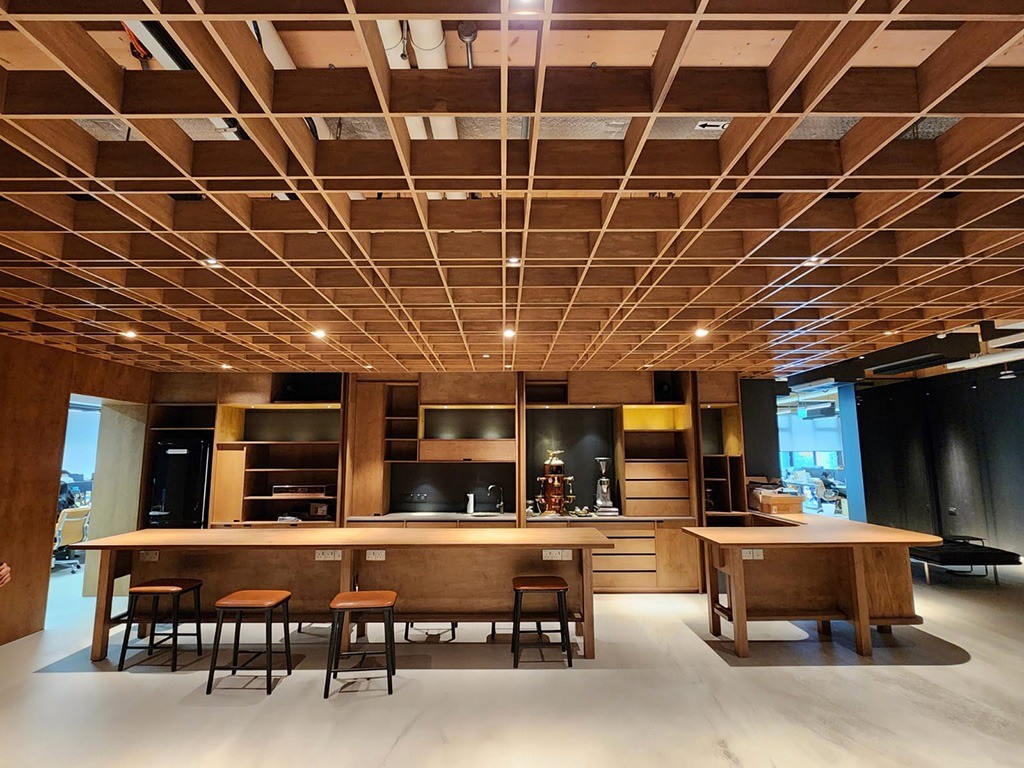
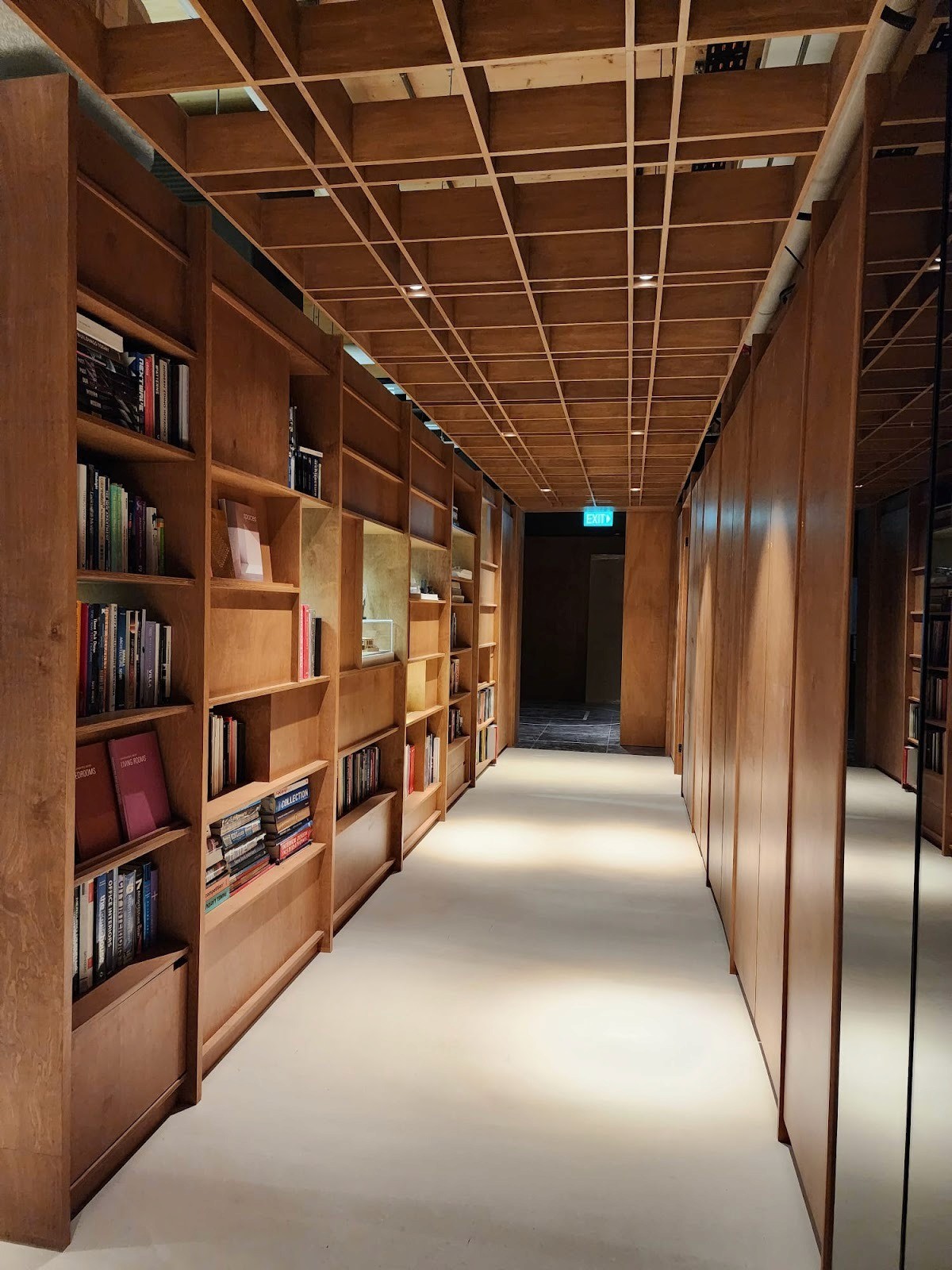
P+A Architect (2022)
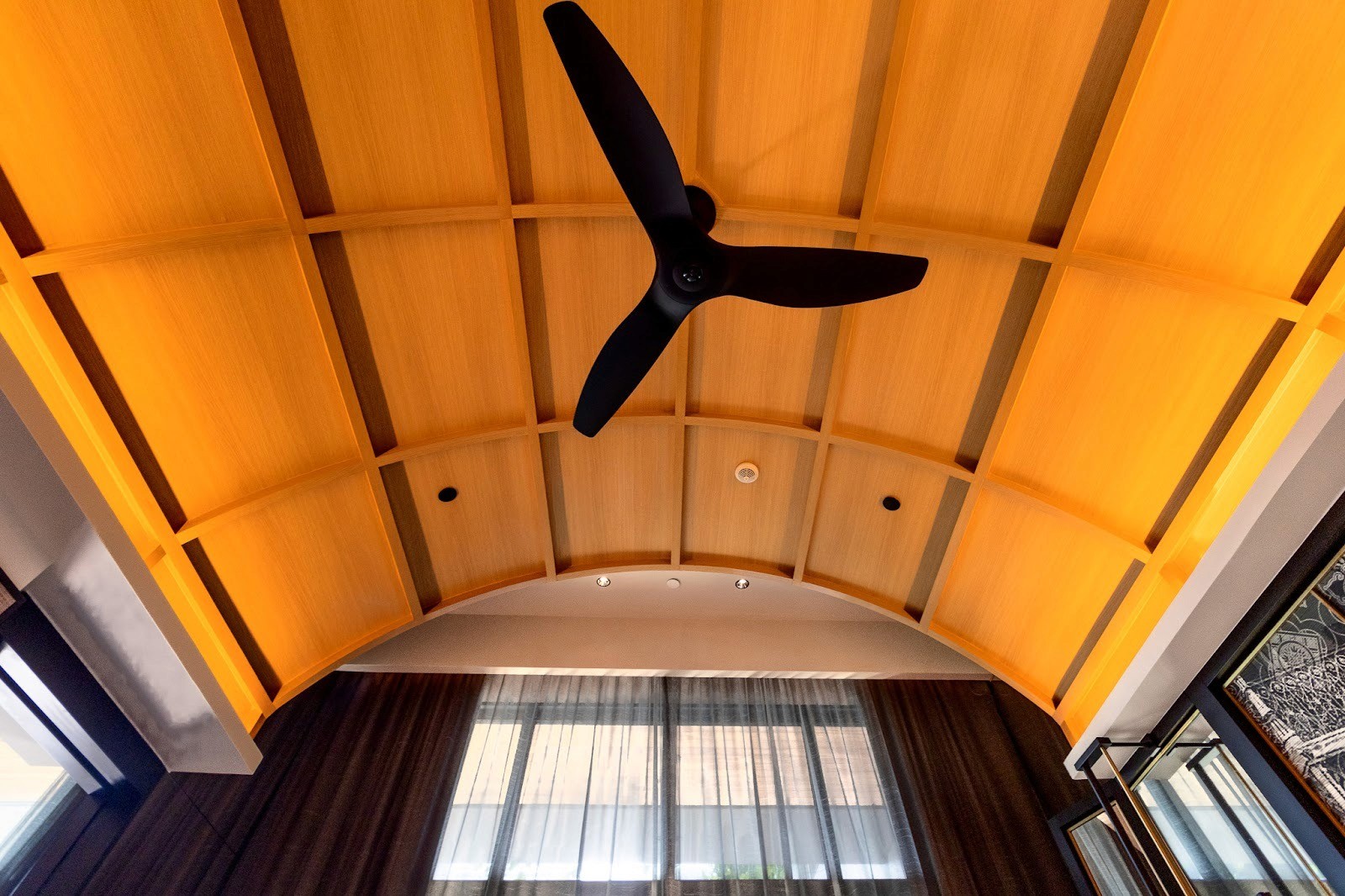
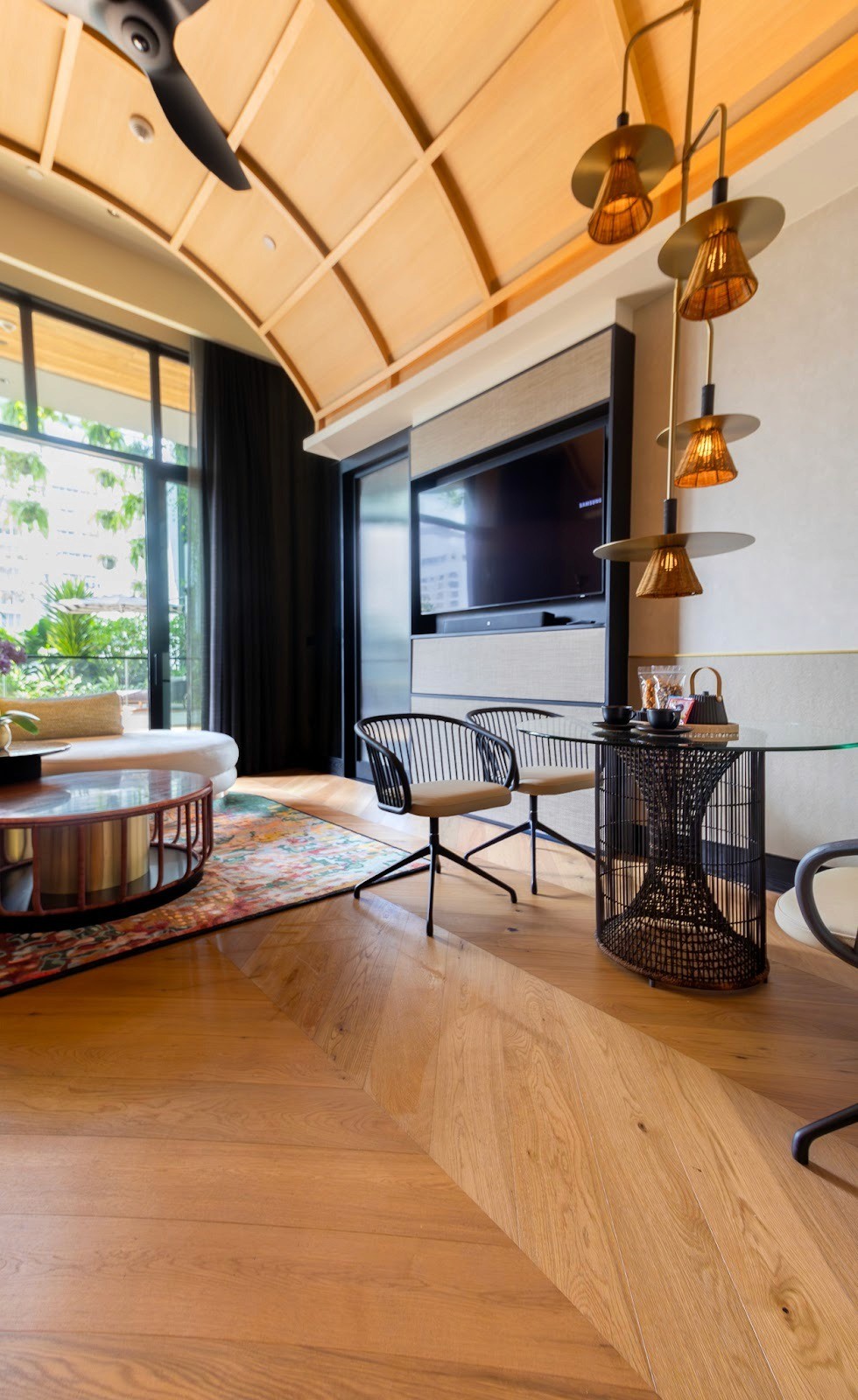
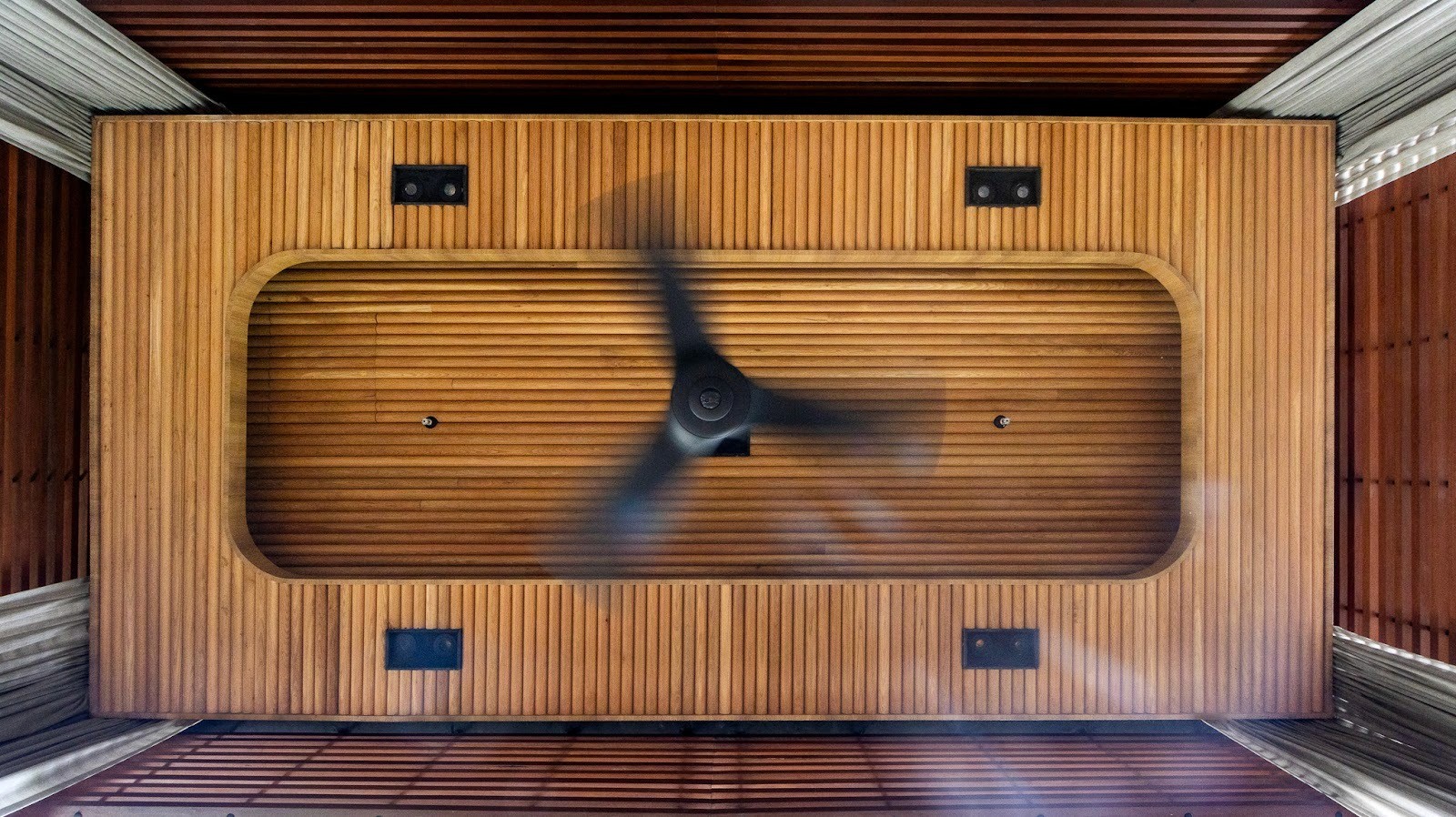
At Calvary Carpentry, we’ve observed this shift first-hand – from the structured timber waffle ceilings seen in earlier projects like the P+A Architect Showroom (2022), to the sweeping curves featured in Artyzen Hotel (2024), and most recently, Mandai Rainforest Resort by Banyan Tree (2025). These flowing timber applications are not only aesthetic, but also deeply functional. Curved forms allow natural ventilation, diffuse natural light, and introduce a sense of warmth and reconnection to nature, transforming interiors into nature-inspired sanctuaries.
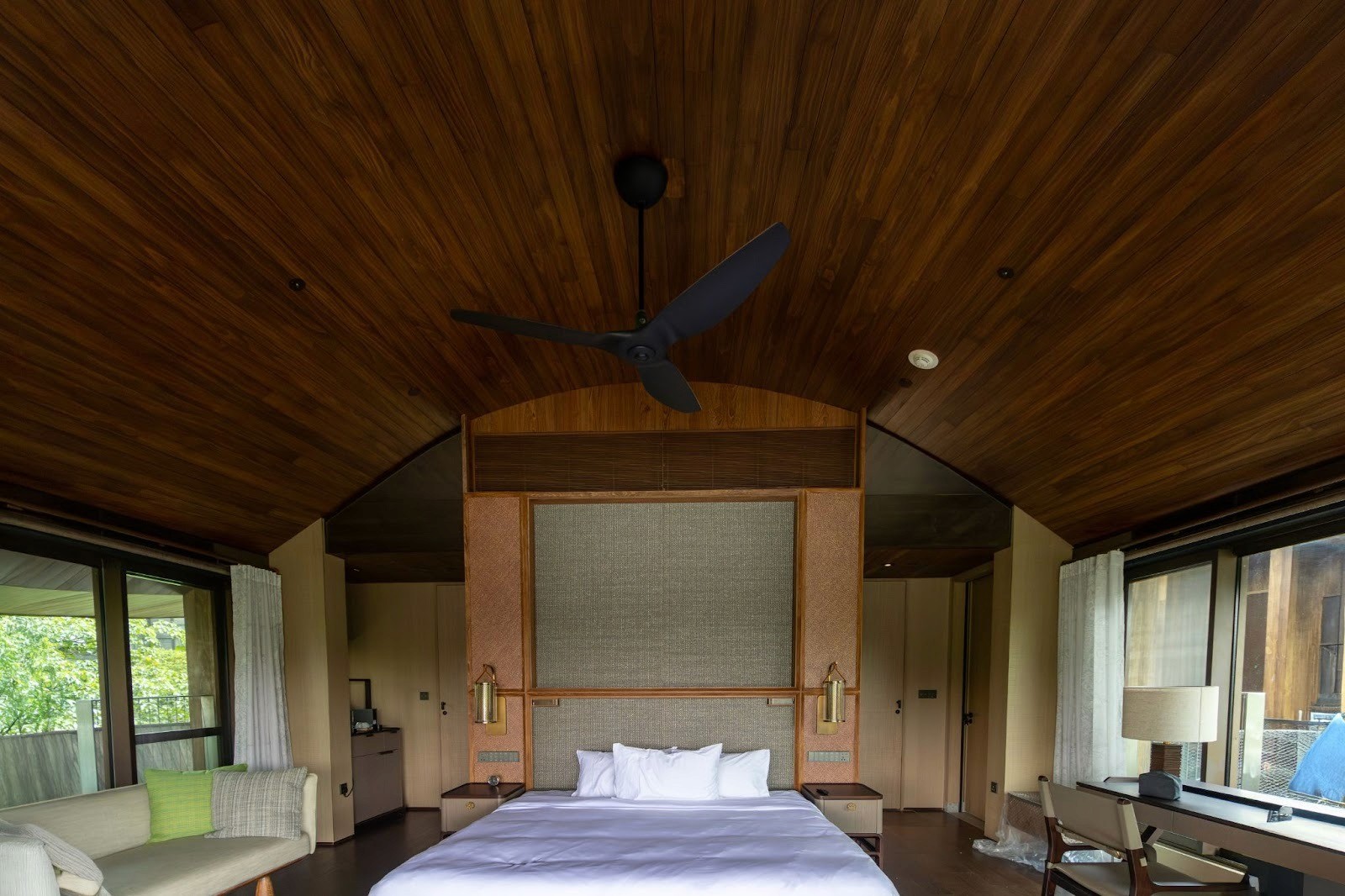
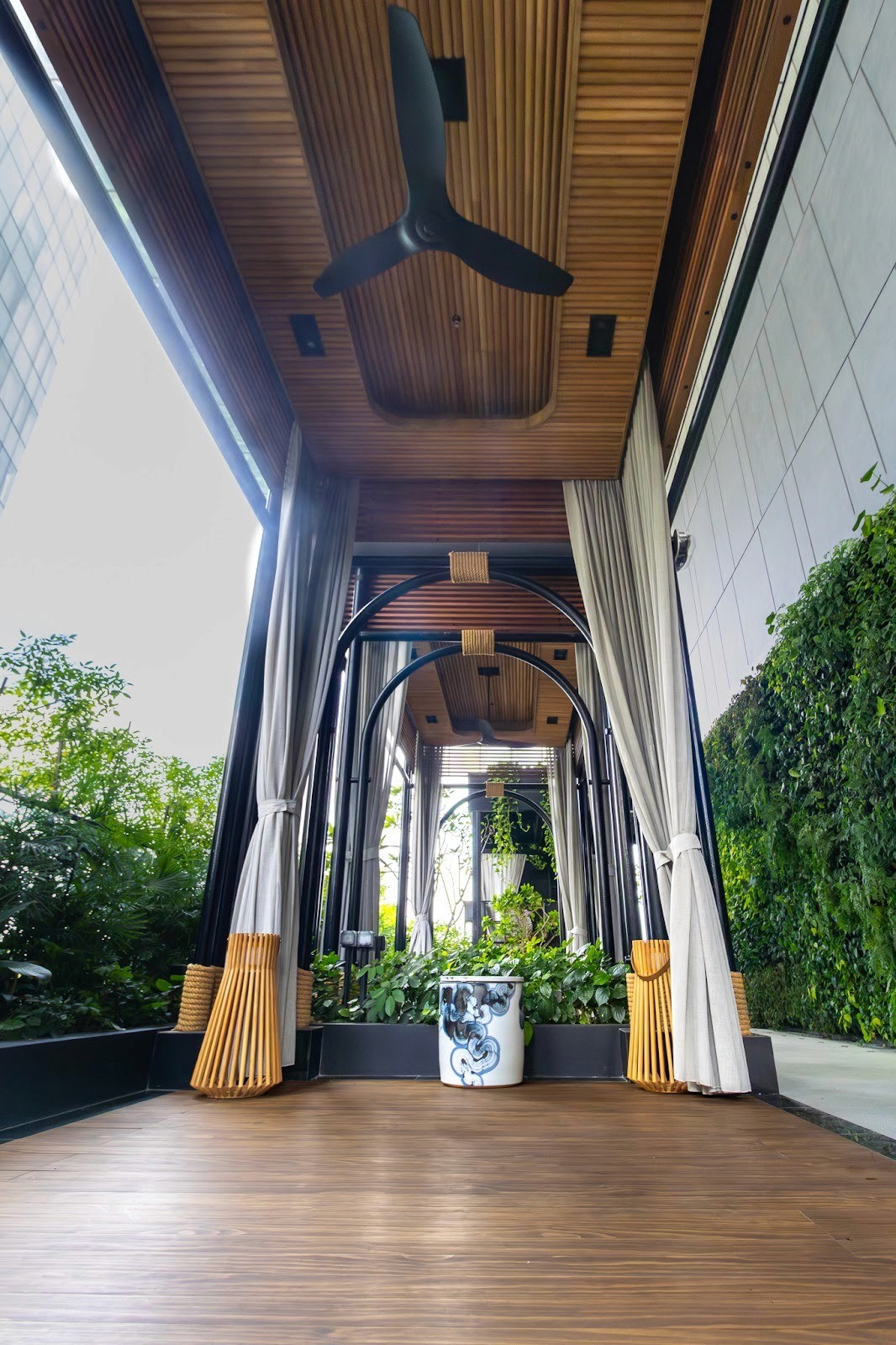
Mandai Rainforest Resort by Banyan Tree (2025).
This trend also signals a heightened awareness of sustainability.
Designers are prioritising certified low-VOC timbers like Accoya, Champaca, and Spruce because they are dimensional stability, non-toxic, dimensionally stable, free from harmful emissions, and sustainably sourced. As wellness and sustainability become central pillars in architecture, timber ceilings and walls are no longer merely decorative. Timber will become architectural tools for climate-conscious design, in light of Singapore’s Green Plan 2030 for low carbon.
Looking ahead to 2026, we anticipate even more dynamic forms, such as timber arches and immersive wooden volumes, as seen in our upcoming Treasure Island project. It’s clear that curves are not just trending, they’re actualizing timber’s role in a climate-resilient future.
The Rise of Curved Timber Forms: A Biophilic Shift Key Notes:
Shift from grids to curves:
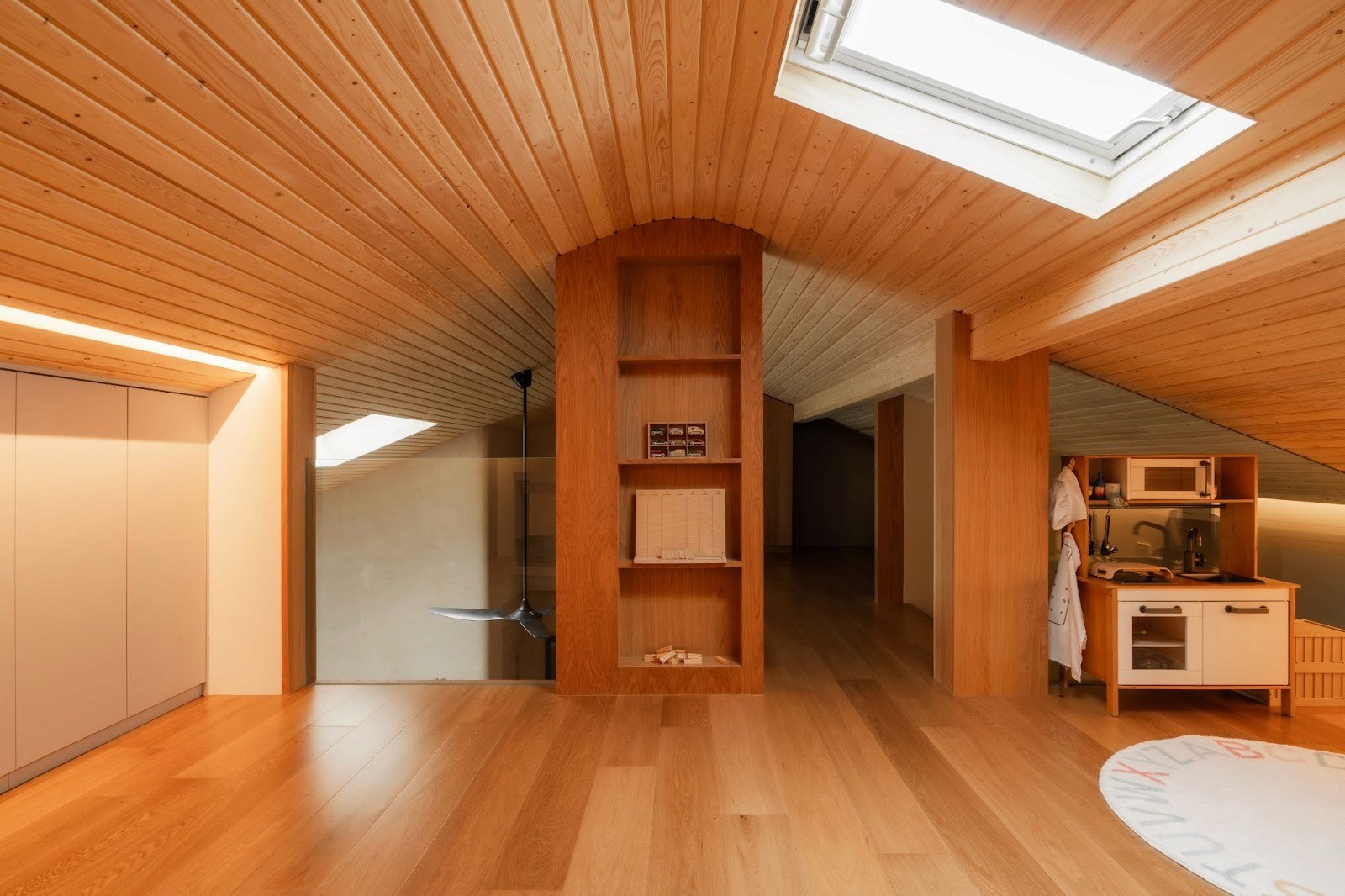
From the structured timber waffle screens of 2022 (e.g. P+A Architect) to the flowing curves seen in 2024 projects like Sea Avenue, Artyzen Hotel, Mandai, and the upcoming Treasure Island, there’s a clear evolution in ceiling and wall design—moving from geometric pattern to organic expression.
Biophilic design influence:
Curved timber forms echo the organic patterns found in nature—creating calming, immersive environments that foster a deeper connection to the natural world.Sensory & spatial impact:
These organic curves improve acoustics, encourage light diffusion, and add a sense of warmth and nature-inspired sanctuaries.
Material choice matters:
Sustainably sourced timber such as Accoya, Champaca, and Spruce are favoured for their dimensional stability, tactile beauty, and certified sustainable origins.
Anticipated 2025 trend:
Expect more dynamic timber arches and textured timber in upcoming projects like Treasure Island, where form and sustainability meet.
Sea Avenue (2024) |
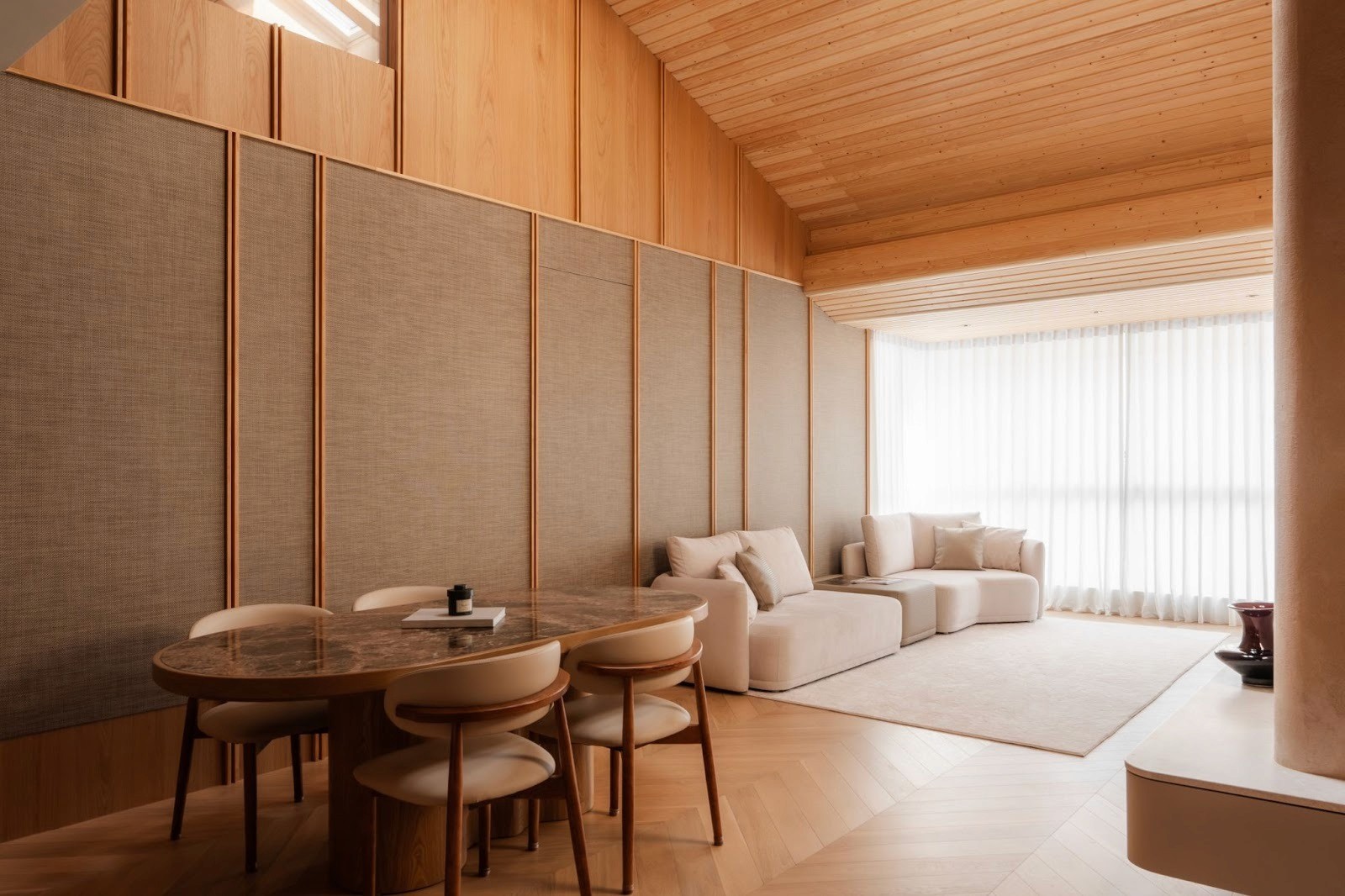   |
Artyzen Hotel (2024) |
  |
  |